A fast, one-glance recap of Class 10 Science Chapter 5 (Life Processes) — for the full explanations, see the Solutions. These Class 10 Science Chapter 5 notes are ideal for quick revision just before exams.
Last Updated: October 24, 2026
Common Mistakes Students Make in Life Processes
- Mixing up photosynthesis inputs/outputs: some students write it as simply “carbon dioxide + oxygen → glucose,” leaving out water and the role of light energy, or forgetting oxygen is released, not consumed.
- Misplacing digestive enzymes: attributing pepsin’s action to the small intestine instead of the stomach, or confusing bile (which emulsifies fats but is not an enzyme) with an actual digestive enzyme.
- Confusing aerobic and anaerobic respiration products: writing lactic acid as a product of aerobic respiration, or forgetting that anaerobic respiration in human muscles produces lactic acid (not CO&sub2; and water).
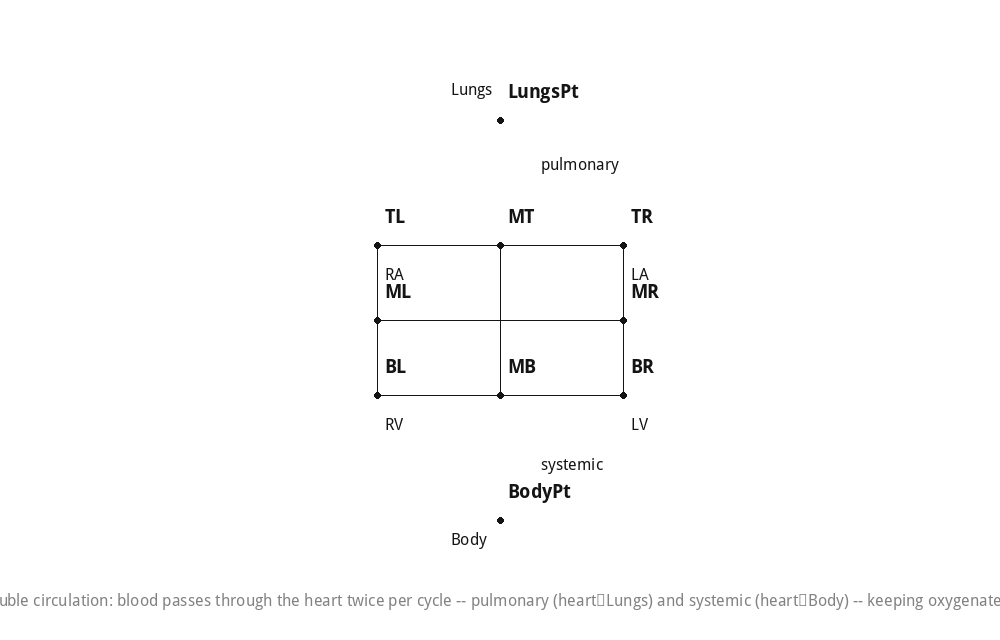
- Double circulation mix-ups: reversing which side of the heart (left/right) handles oxygenated versus deoxygenated blood in diagram-based questions.
Why This Chapter Matters
Life Processes is one of the standard chapters in the CBSE/NCERT Class 10 Science syllabus and questions from it appear regularly in board exams, in formats ranging from 1-mark objective questions to longer 3-5 mark descriptive or numerical questions. Because the concepts here often build on earlier chapters (and feed into later ones), a solid grip on this chapter also makes the rest of the Science syllabus easier to follow.
Revision Notes: Life Processes
- Life processes: nutrition, respiration, transportation, excretion — basic processes needed to maintain the body
- Autotrophic nutrition: organism makes its own food (e.g. green plants) — needs CO₂, water, sunlight, chlorophyll; releases O₂ as by-product
- Heterotrophic nutrition: organism depends on others for food (e.g. humans, Amoeba)
- Human digestion path: mouth (salivary amylase) → stomach (HCl + pepsin) → small intestine (bile emulsifies fat; pancreatic + intestinal enzymes; villi absorb nutrients) → large intestine (water absorption)
- Aerobic respiration: needs O₂, occurs in mitochondria, glucose fully broken down → more energy
- Anaerobic respiration: no O₂ needed, occurs in cytoplasm, glucose partially broken down (ethanol+CO₂ in yeast, or lactic acid in muscle) → less energy
- Human respiratory path: nose → trachea → bronchi → bronchioles → alveoli (gas exchange: huge surface area, thin walls, rich blood supply)
- Double circulation: blood passes through the heart twice per cycle (pulmonary + systemic) — keeps oxygenated/deoxygenated blood separate, needed for high, constant energy demand
- Excretory system: kidneys (basic unit: nephron) filter blood → urine → ureters → bladder → urethra
- Xylem: water/minerals, one-way (upward), dead cells, passive (transpiration pull)
- Phloem: food, both directions (source to sink), living cells, active transport (uses ATP)
- Key comparison: alveoli (gas exchange) vs nephrons (blood filtration) — both maximise surface area via millions of thin-walled, richly-vascularised units
See also: Extra Questions (HOTS) | Formulas Handbook
How to Use These Notes
These revision notes are meant for quick recall in the last few days before an exam or unit test — they are not a substitute for first reading the full chapter and working through examples in the NCERT textbook. A good routine is: read the chapter once, solve the in-text and end-of-chapter questions using the linked Solutions, then come back to this page a day or two before the exam to refresh the key definitions and formulas without re-reading the whole chapter.
Quick visual: a worked diagram from the full Solutions page, for reference.
- Chapter 1: Chemical Reactions and Equations
- Chapter 2: Acids, Bases and Salts
- Chapter 3: Metals and Non-metals
- Chapter 4: Carbon and its Compounds
- Chapter 6: Control and Coordination
- Chapter 7: – How do Organisms Reproduce?
- Chapter 8: Revision Notes - Heredity
- Chapter 9: Revision Notes - Light: Reflection and Refraction
- Chapter 10: Human Eye and Colourful World Revision Notes
- Chapter 11: Electricity Revision Notes
- Chapter 12: Magnetic Effects of Electric Current Revision Notes
- Chapter 13: Our Environment Revision Notes
Frequently Asked Questions
What is the difference between autotrophic and heterotrophic nutrition?
Autotrophic nutrition means an organism makes its own food (like plants via photosynthesis); heterotrophic nutrition means an organism depends on other organisms for food (like animals and fungi) — this distinction opens the chapter’s discussion of nutrition across different life forms.
What are the main steps of human digestion covered in this chapter?
Ingestion, digestion (mechanical and chemical breakdown by enzymes in the mouth, stomach, and small intestine), absorption of nutrients (mainly in the small intestine), and egestion of undigested waste — each step and its associated organs/enzymes is tested in detail.
Chapter Quiz — Test Your Understanding
Class 10 Science Chapter 5 – Solutions and Important Questions
Need full answers or more practice? See the Class 10 Science Chapter 5 Solutions and Class 10 Science Chapter 5 Extra Questions.
What to Revise First (and Last) in This Chapter
Prioritise the labelled diagrams (human digestive system, human heart, excretory system) first — diagram-based questions recur every year and are high-yield per revision minute. Revise the definitions of nutrition/respiration types next, since MCQs draw heavily on them. Leave a full step-by-step walkthrough of each process (digestion pathway, full respiration cycle) for an earlier, slower revision pass rather than a last-minute read.
Recommended: Buy the Printed NCERT Class 10 Science Book
Contains Amazon affiliate links.
If you’d like a printed copy alongside the PDF, here’s a verified option:
Check the latest price on Amazon
Price and availability may change on Amazon. As an Amazon Associate, ncertbooks.org earns from qualifying purchases.