
- Why reproduce: not needed for an individual’s own survival, but essential for a species’ continuity across generations.
- Asexual modes: fission (binary – Amoeba/Leishmania; multiple – Plasmodium), budding (Yeast, Hydra), fragmentation (Spirogyra), regeneration (Planaria), spore formation (Rhizopus), vegetative propagation (roots/stems/leaves – e.g. potato eyes, Bryophyllum leaf buds).
- Sexual reproduction: needs two parents/gametes (male + female), produces genetically varied offspring – variation is the raw material for evolution/adaptation.
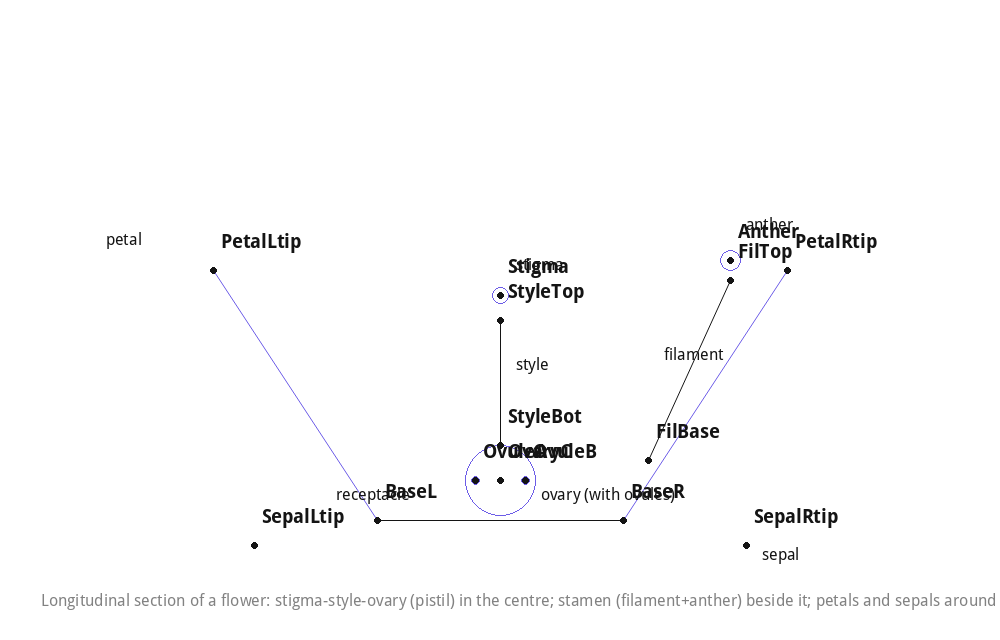
- Flower parts: stamen (filament + anther, male, produces pollen) and pistil/carpel (stigma + style + ovary with ovules, female). Bisexual flower = both in one flower (hibiscus); unisexual = only one (papaya, cucumber).
- Human male system: testis (sperm + testosterone) → vas deferens → seminal vesicle + prostate (add fluid, forms semen) → urethra.
- Human female system: ovary (egg + oestrogen) → fallopian tube (fertilisation site) → uterus (implantation/gestation) → vagina.
- Menstrual cycle: ~28 days; uterine lining thickens to prepare for a fertilised egg; if fertilisation doesn’t occur, lining sheds as menstruation.
- Contraception: barrier (condom, diaphragm), hormonal (pills – prevent ovulation), IUD/copper-T (prevents implantation), surgical (vasectomy/tubectomy – permanent).
Part of the Class 10 Science Chapter 7 cluster: Solutions | Extra Questions (HOTS) | Revision Notes | Formulas Handbook | Class 10 Science book page. These Class 10 Science Chapter 7 notes are ideal for quick revision just before exams.
Last Updated: October 24, 2026
Common Mistakes Students Make in This Chapter
- Misclassifying reproduction methods: placing budding, fragmentation, or vegetative propagation under the wrong category (asexual vs sexual).
- Reproductive organ mix-ups: confusing the functions of male and female reproductive organs in diagrams.
- Confusing fertilisation and implantation: not distinguishing where fertilisation occurs (fallopian tube) from where the embryo implants (uterus).
- Contraceptive-method mix-ups: not correctly distinguishing barrier, hormonal, and surgical methods.
Why This Chapter Matters
How do Organisms Reproduce? is one of the standard chapters in the CBSE/NCERT Class 10 Science syllabus and questions from it appear regularly in board exams, in formats ranging from 1-mark objective questions to longer 3-5 mark descriptive or numerical questions. Because the concepts here often build on earlier chapters (and feed into later ones), a solid grip on this chapter also makes the rest of the Science syllabus easier to follow.
How to Use These Notes
These revision notes are meant for quick recall in the last few days before an exam or unit test — they are not a substitute for first reading the full chapter and working through examples in the NCERT textbook. A good routine is: read the chapter once, solve the in-text and end-of-chapter questions using the linked Solutions, then come back to this page a day or two before the exam to refresh the key definitions and formulas without re-reading the whole chapter.
Quick visual: a worked diagram from the full Solutions page, for reference.
- Chapter 1: Chemical Reactions and Equations
- Chapter 2: Acids, Bases and Salts
- Chapter 3: Metals and Non-metals
- Chapter 4: Carbon and its Compounds
- Chapter 5: Life Processes
- Chapter 6: Control and Coordination
- Chapter 8: Revision Notes - Heredity
- Chapter 9: Revision Notes - Light: Reflection and Refraction
- Chapter 10: Human Eye and Colourful World Revision Notes
- Chapter 11: Electricity Revision Notes
- Chapter 12: Magnetic Effects of Electric Current Revision Notes
- Chapter 13: Our Environment Revision Notes
Frequently Asked Questions
What is the difference between external and internal fertilization?
External fertilization occurs outside the body (common in aquatic animals like fish, where eggs and sperm meet in water); internal fertilization occurs inside the female’s body (common in land animals like humans), offering the developing embryo more protection.
Why is DNA copying important during reproduction?
Accurate DNA copying ensures that offspring inherit the genetic information needed to develop similar features to their parents; small variations that occur during copying are also the raw material for evolution, since useful variations can help a species survive changing conditions.
Chapter Quiz — Test Your Understanding
Class 10 Science Chapter 7 – Solutions and Important Questions
Need full answers or more practice? See the Class 10 Science Chapter 7 Solutions and Class 10 Science Chapter 7 Extra Questions.
What to Revise First (and Last) in This Chapter
Prioritise the asexual reproduction methods (with one clear example each) and the basic human reproductive system diagram first, since these are the most frequently tested. Leave the detailed hormonal-regulation-of-menstrual-cycle explanation for an earlier, slower revision pass.
Recommended: Buy the Printed NCERT Class 10 Science Book
Contains Amazon affiliate links.
If you’d like a printed copy alongside the PDF, here’s a verified option:
Check the latest price on Amazon
Price and availability may change on Amazon. As an Amazon Associate, ncertbooks.org earns from qualifying purchases.


