
Tissues in Action sorts plant tissue into meristematic and permanent types and animal tissue into four functional groups, then moves on to how tendons, ligaments, and joints work together, and this page summarises all of it.
Last Updated: September 23, 2026
Plant Tissues
- Meristematic: actively dividing, responsible for growth (root/shoot tips, cambium).
- Permanent: specialised, non-dividing (xylem/phloem for transport, epidermis for protection).
Animal Tissues (4 types)
- Epithelial — covering/lining, protection/absorption/secretion.
- Connective — support/connection (bone, cartilage, blood, tendons, ligaments).
- Muscular — movement via contraction (skeletal, smooth, cardiac).
- Nervous — signal transmission (neurons).
Musculoskeletal System
- Tendon: muscle → bone. Ligament: bone → bone.
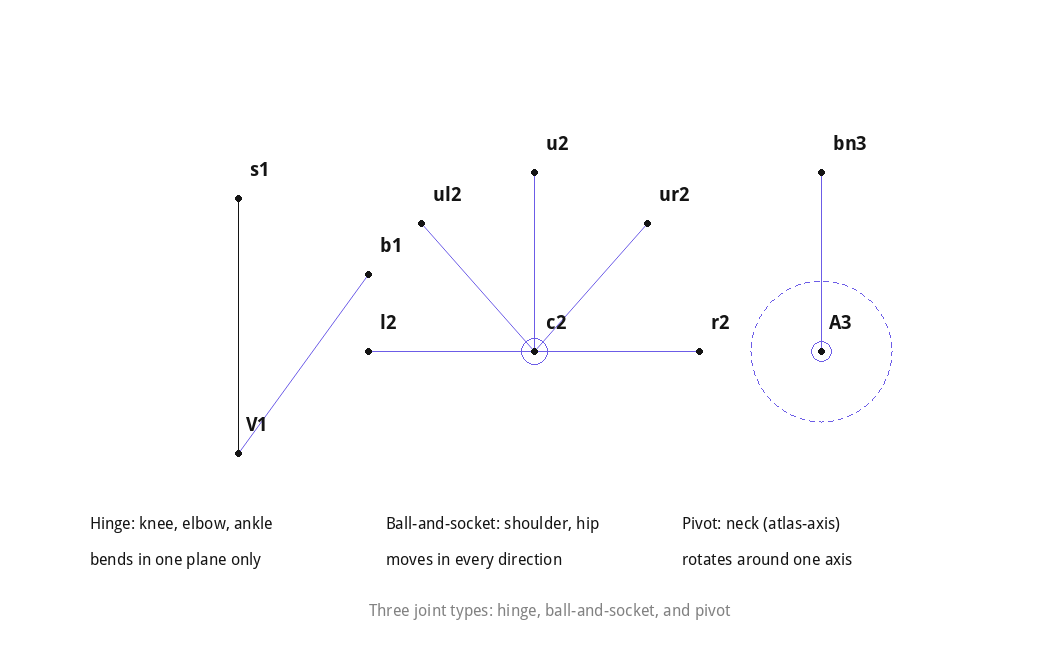
- Joint types: ball-and-socket (shoulder/hip, multi-directional), hinge (elbow/knee, one-plane), pivot (neck, rotation), fixed/fibrous (skull, no movement).
Health
- Protein, calcium, vitamin D + exercise → strong bones/muscles.
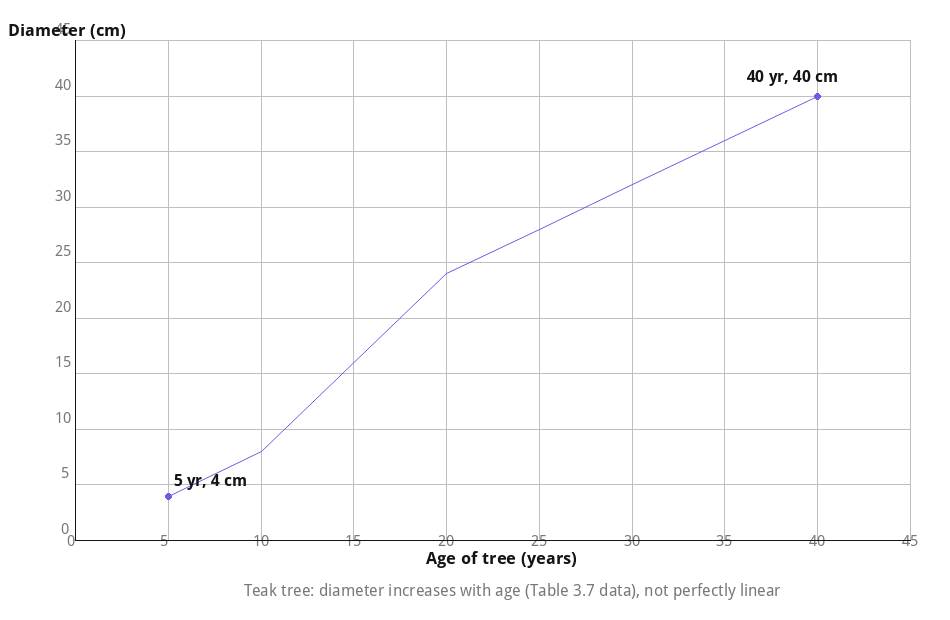
Quick visual: a worked diagram from the full Solutions page, for reference.
One-Line Summary
Tissues are groups of similar cells performing a shared function — plants have growing (meristematic) and specialised (permanent) tissue, animals have four types (epithelial, connective, muscular, nervous), and together with joints they form the musculoskeletal system that supports and moves the body.
- Chapter 1: Entering the World of Secondary Science – Revision Notes
- Chapter 2: Cell: The Building Block of Life – Revision Notes
- Chapter 4: Describing Motion Around Us – Revision Notes
- Chapter 5: Exploring Mixtures and their Separation – Revision Notes
- Chapter 6: How Forces Affect Motion – Revision Notes
- Chapter 7: Work, Energy and Simple Machines – Revision Notes
- Chapter 8: Journey Inside the Atom – Revision Notes
- Chapter 9: Atomic Foundations of Matter – Revision Notes
- Chapter 10: Sound Waves: Characteristics and Applications – Revision Notes
- Chapter 11: Reproduction: How Life Continues – Revision Notes
- Chapter 12: Patterns in Life: Diversity and Classification – Revision Notes
- Chapter 13: Earth as a System: Energy, Matter and Life – Revision Notes
Frequently Asked Questions
What is a tissue, and why do multicellular organisms need them?
A tissue is a group of similar cells that work together to perform a specific function; multicellular organisms need tissues because different cells specialise into groups to carry out tasks like movement, transport, and support more efficiently than single cells could alone.
What is the main difference between plant tissues and animal tissues covered in this chapter?
Plant tissues are broadly divided into meristematic (dividing) and permanent (non-dividing) tissues, while animal tissues are classified into epithelial, connective, muscular, and nervous tissues, each suited to different structural and functional needs.
Chapter Quiz — Test Your Understanding
Recommended: Buy the Printed NCERT Class 9 Science Book
Contains Amazon affiliate links.
If you’d like a printed copy alongside the PDF, here’s a verified option:
3.8 out of 5 stars (931 ratings) · Rs. 187
Price and availability may change on Amazon. As an Amazon Associate, ncertbooks.org earns from qualifying purchases.


